Natural alternatives to HRT
In my previous post on HRT, I shared my personal journey and the three critical factors that determine whether it's right for you. But here's what I want you to know: HRT isn't the only path to relief.
Not everyone can use HRT. Some women have medical conditions that make it unsafe, while others simply prefer not to use hormones.
What I've learned through my own integrative health journey is that natural approaches can be remarkably effective, whether you use natural alternatives alone or with HRT. God created our bodies with unbelievable healing abilities, and part of stewarding that gift means looking into all the evidence-based tools accessible to us.
In this post, I'm sharing what really works according to research. These practical strategies are based on the 5 PILLARS OF NATURAL MENOPAUSE RELIEF, and you can start with them at any time.
1. Nutrition: The Foundation
Our diet matters more during menopause than ever before. The right foods can truly alleviate your transition through this season of life.
The Mediterranean Diet Advantage
Research persistently indicates that women following a Mediterranean-style diet reveal fewer severe menopause symptoms. This isn't a temporary fashion diet, but it is, in fact, an anti-inflammatory eating plan that supports heart health, brain function, and may relieve symptoms naturally.
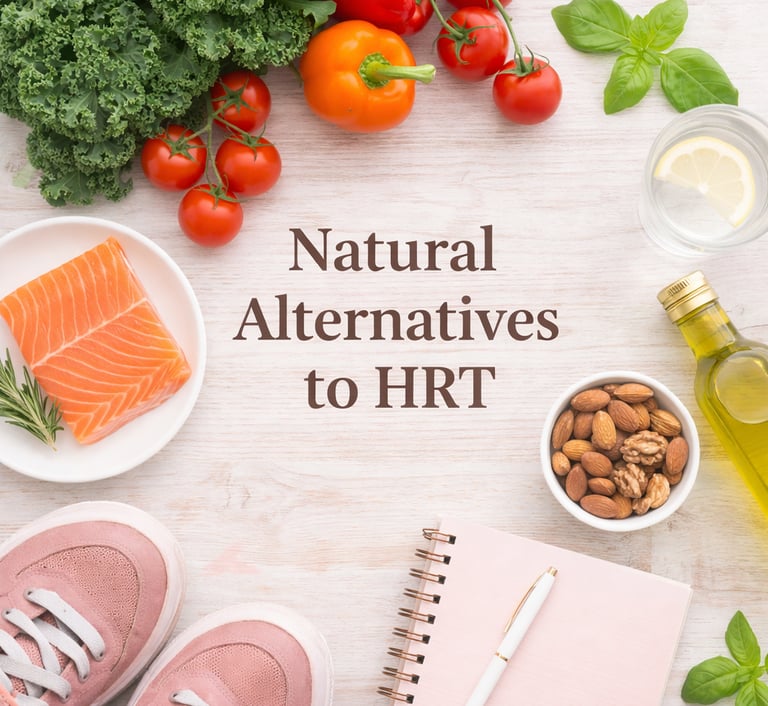
What it includes: The Mediterranean diet consists of plenty of vegetables and fruits, whole grains and legumes, nuts and seeds, and uses olive oil as the main fat source. You'll eat fish two to three times a week, while decreasing red meat and sweets. It's not about denying yourself certain foods completely; rather, it's about giving your body foods that reduce inflammation and support hormonal transitions.
Why it works: The anti-inflammatory nature of this diet aids your body during the notable hormonal changes of menopause. When inflammation is lessened, some women find that symptoms become more tolerable.
Phytoestrogens: Worth Trying
Phytoestrogens are plant compounds that have mild estrogen-like effects in your body. The evidence is, unfortunately, mixed - some studies reveal benefits while others don't. However, research shows women find them helpful enough to be worth trying.
Best sources:
Soy products: Women should aim for one to two servings daily of whole soy foods, not processed soy protein isolates. Include tofu, tempeh, and edamame in your diet
Flaxseeds: Add one to two tablespoons of ground flaxseed daily. The seeds must be ground, because your body cannot digest whole flaxseeds.
Legumes: Foods that are excellent sources of both phytoestrogens and fiber are chickpeas, lentils, and beans
Important note: Results vary significantly among women. Try these foods for 2-3 months to see if they help.
Foods to Limit
Certain foods can trigger or worsen menopause symptoms, and identifying your personal triggers can make a real difference.
Common triggers include:
Caffeine can trigger hot flashes in many women
Alcohol disrupts sleep architecture and triggers hot flashes
Spicy foods are a common hot flash trigger
Refined sugars cause blood sugar spikes that lead to mood swings and energy crashes
Quick wins for better nutrition: Switch from regular milk to unsweetened soy milk in your coffee and cereal. Use olive oil instead of butter for cooking. Choose whole grains over white rice. Stock up on nuts for snacks instead of reaching for chips. These small changes add up to remarkable gains over time.
2. Exercise: Your Most Powerful Tool
If there is something important to take away from this post, let it be this: make exercise a priority. Research indicates that regular exercise helps with hot flashes, enhances sleep quality, balances mood, aids in weight management, preserves bone health, and lessens brain fog. Don’t see exercise as optional during menopause; it's essential medicine.
Strength Training
This is THE most important type of exercise for menopausal women, yet it's often been disregarded. You're losing muscle mass rapidly without intervention, and this muscle loss means slower metabolism, weaker bones, and decreased functional strength for daily activities.
What to do: Try to aim for strength training two to three times per week, targeting all major muscle groups. You can use body weight exercises, resistance bands, or weights - whatever is accessible to you. Even twenty minutes makes a significant difference in maintaining muscle mass and bone density.
Start simple: Begin with basic movements like squats, lunges, wall push-ups, and planks. If possible, work with a personal trainer for a few sessions to learn the actual form of the movements. This investment pays dividends in avoiding injuries and increasing effectiveness.
Aerobic Exercise
Remember, anything that gets your heart rate up and makes you breathe harder counts as aerobic exercise, which also includes walking, swimming, cycling, and dancing
Why it matters: Aerobic exercise improves cardiovascular health, which becomes vitally important as estrogen loss accelerates heart disease risk. It also helps balance mood, facilitates better sleep, and improves energy levels throughout the day.
Helpful tip: Morning exercise tends to boost nighttime sleep more efficiently than evening workouts. If you battle insomnia, try moving your workout to earlier in the day.
Consistency is better than intensity. Rather do three twenty-minute sessions per week than a two-hour workout you can't sustain over time. Activities you actually enjoy will be the best exercise, and you will be able to do them consistently over the long term.
3. Supplements: What's Worth Your Money
Choosing the “right” supplements can be overwhelming, with products making overblown claims and asking exorbitant prices. Here's what actually has research backing and might be worthy of your investment.
Supplements With Strong Evidence
Omega-3 Fatty Acids (Fish Oil)
What it helps: Balances mood, supports brain and cardiovascular health
The evidence: There's strong research advocating omega-3s for depression, anxiety, and cardiovascular health. These are real concerns that become more important during menopause.
Quality matters significantly: Choose brands that are third-party tested for purity and certified. This confirms you're getting pure fish oil free from mercury and other contaminants.
Vitamin D + Calcium
What it helps: Bone health, which becomes crucial during and after menopause
The evidence: These nutrients are of utmost importance for maintaining bone density as estrogen levels decrease. Most women don't get enough of these vitamins, especially vitamin D.
Important step: Get your vitamin D levels tested first. You may need higher doses initially if you're deficient, which many women are. Consider a bone density scan if you have a family history of osteoporosis or other risk factors
Magnesium
What it helps: Ensure sleep quality, mood soundness, and muscle relaxation
The evidence: Current research supports magnesium’s role in improving sleep and mood, and unfortunately, many women are deficient without realizing it.
Best form: Magnesium glycinate is recommended by experts because it is best absorbed and gentle on your stomach. It is best taken in the evening, ideally one to two hours before bed, to improve sleep quality.
Supplements With Mixed Evidence
Black Cohosh
What it helps: Hot flashes and night sweats
The evidence: Research shows mixed results. Some studies indicate benefits for reducing hot flash frequency and severity, while others show no significant difference from placebo. However, it's generally safe and worth trying if other options haven't provided relief.
Timeline: Give it a fair trial of six to eight weeks before deciding if it helps you.
Source: Sadahiro R, et al. Menopause. 2023;30(7):766-773.
One Adaptogen Worth Considering
Ashwagandha
Before taking ashwagandha, please be aware that while it isn't specifically proven for menopause symptoms, it may help with stress-related symptoms that often worsen during this transition
It helps: Stress, anxiety, fatigue, and sleep issues
How it works: Ashwagandha helps stabilize cortisol levels and helps your body's stress response system. This can help manage stress-related symptoms during the hormonal transitions of menopause.
Timeline: Adaptogens take time to work, so give it four to eight weeks to assess whether it helps you specifically.
Safety consideration: Ashwagandha may interact with thyroid medications. Check with your doctor before starting, in particular, if you take medication for thyroid issues
Quality Matters for All Supplements
Look for supplements that have undergone third-party testing and carry certifications.
4. Stress Management: Essential Medicine
Here's what most women don't realize: stress intensifies every single menopause symptom. Hot flashes worsen, sleep becomes interrupted, mood swings are amplified, and brain fog thickens. Managing stress isn't optional or a luxury; it becomes essential medicine during menopause.
Paced Breathings
The research: There is strong evidence that paced breathing minimizes hot flash frequency and intensity. It's one of the best non-drug interventions available, yet it costs nothing and has no side effects.
The technique is simple:
Breathe in slowly through your nose for a count of five
Breathe out slowly through your mouth for a count of five
Repeat this pattern for ten minutes, twice daily
You can also use this technique when you feel a hot flash starting
Why it works: Paced breathing activates your parasympathetic nervous system - your body's natural "rest and digest" mode - which helps regulate body temperature and lessen the stress response that can trigger hot flashes. (You could also try 4-7-8 breathing, as it also helps relieve stressful situations. I have discussed it in my post on Brain fog.)
Source: British Menopause Society consensus statement on non-hormonal treatments
Cognitive Behavioral Therapy (CBT) for Menopause
The research: Strong evidence shows that CBT combats both hot flashes AND insomnia; two of the most challenging menopause symptoms.
What it does: CBT transforms how you interpret and respond to symptoms, which reduces both their intensity and the distress they cause. It gives specific, practical techniques for managing symptoms more efficiently.
How to access it: You can work with a therapist trained in CBT, or try online CBT programs specifically designed for menopause. Some health systems offer these programs free to patients.
Create a Simple Daily Practice
You don't need to do everything. Pick ONE technique to start and build from there.
Choose from these options:
Five to ten minutes of meditation or prayer each morning
Paced breathing practice twice daily
Five minutes of journaling each evening
The key principle: Five minutes every single day is more effective than an hour once a week. Consistency matters far more than duration. Build the habit first, then you can extend the time if desired
5. Sleep: The Game-Changer
Quality sleep improves every negative menopause symptom, while poor sleep worsens everything, from hot flashes to mood swings, brain fog, and fatigue. All of these symptoms intensify when you're sleep-deprived.
Sleep Hygiene Essentials
Keep your bedroom COOL: Aim for 60 to 67 degrees Fahrenheit (15 to 19 degrees Celsius). This temperature range is vital for managing night sweats and sustaining quality sleep.
Make it DARK: Invest in blackout curtains or use a sleep mask to block all light. Cover or remove electronic displays that emit light, even small LED lights from chargers or devices, as they can disrupt a good night’s sleep.
Establish a consistent routine:
Go to bed at the same time every night, even on weekends. Your body thrives on routine.
Create a 60 to 90-minute wind-down ritual before bed. This signals your body that sleep is drawing near.
Limit screen time for at least one hour before bed. The blue light suppresses melatonin production.
Take a warm bath or engage in light stretching as part of your evening routine.
Managing Night Sweats
Prepare your bedroom environment:
Wear moisture-wicking sleepwear,
Use specially designed cooling sheets that don't trap heat.
Keep ice water on your nightstand so you can quickly cool down.
Position a fan nearby for immediate relief when a night sweat hits.
Layer your bedding so you can easily adjust your coverage throughout the night.
6. Your 8-Week Action Plan
Feeling overwhelmed by all this information? Here are a few suggestions on how to start, broken into small, manageable steps.
Week 1-2: Build Your Foundation
Diet changes: Add ground flaxseed to your breakfast and drink less caffeine, especially in the afternoon and evening.
Movement: Start with just a 10-minute walk every day. This seems small, but it establishes the habit.
Sleep environment: Make your bedroom cooler and take out all screens from the bedroom.
Tracking: Keep a simple journal recording your symptoms, what you ate, and how you slept. See what patterns emerge and adjust accordingly
Week 3-4: Build on Your Progress
Exercise progression: Increase your walks to 20 to 30 minutes and add two days of strength training each week. Start with body weight exercises if you're new to strength training.
Stress management: Choose ONE technique from this post and practice it for five to ten minutes daily. Consistency is more important than which technique you choose.
Supplements: Start taking omega-3 and vitamin D. If possible, get your vitamin D levels tested to ensure you're taking adequate doses.
Pattern identification: Use your symptom journal to spot your personal trigger patterns. What consistently leads up to your worst symptoms?
Week 5-8: Refine Your Approach
Exercise habits: Work towards 150 minutes of aerobic activity weekly, plus two to three days of strength training. You're building sustainable habits for life.
Nutrition patterns: Establish a Mediterranean-style eating pattern. This should feel natural by now, not like a restrictive diet.
Sleep routine: Maintain a consistent bedtime routine and use natural sleep aids if needed. Quality sleep should have noticeably improved by this point.
Stress practice: Your daily stress management practice should now be established and consistent. You might even find yourself craving this time.
Symptom-Specific Quick Reference Guide
For Hot Flashes: Practice paced breathing daily because there is strong evidence that it is effective in reducing the effects of hot flashes. Identify and avoid personal triggers like caffeine, alcohol, and spicy foods. Additionally, try black cohosh if natural approaches alone aren't sufficient. Keep your environment cool whenever possible.
For Sleep Issues: Maintain a cool, dark bedroom environment. Taking magnesium glycinate before bed improves sleep quality. Establish an evening wind-down routine and follow it consistently. If insomnia persists despite these measures, consider working with a therapist trained in CBT for insomnia.
For Brain Fog: Taking omega-3 supplements daily helps decrease the effects of brain fog. To increase blood flow to the brain, engage in regular aerobic exercise. Practice stress reduction techniques consistently. Stay mentally active by reading books, doing puzzles, or learning new skills.
For Mood Changes: Daily movement is incredibly effective for mood stabilization. Take omega-3 fatty acids, which have strong evidence for mood support. Maintain healthy social connections, and please, don’t isolate yourself! Consider working with a therapist if you're struggling significantly with mood changes.
When to Reassess Your Approach
Give changes adequate time: Most natural approaches need eight to twelve weeks to show their full effects. Be patient with the process and with yourself.
Track what actually helps: Your symptom journal will clearly show what's making a difference and what isn't working for you specifically.
Be willing to adjust: If something isn't working after a fair period of time, it's okay to try a different approach. Not every strategy works for every woman.
Consider HRT if needed:If natural approaches alone aren't providing proper relief, revisit the HRT conversation with your doctor. This isn't an all-or-nothing decision because many women successfully use HRT alongside natural strategies for optimal results.
Conclusion
Managing menopause naturally isn't about achieving perfection or following every idea mentioned in this post. It's about discovering what works for YOUR unique body, in YOUR specific situation.
Start with whatever feels most manageable to you. Build slowly rather than trying to change everything at once. Be patient and compassionate with yourself during this process.
The foundation that works for most women includes:
Mediterranean-style eating patterns that minimize inflammation
Regular exercise, with particular emphasis on strength training
Prioritizing quality sleep above almost everything else
Practise consistent stress management strategies, especially paced breathing
Use targeted supplements, including omega-3, vitamin D, and magnesium, if necessary
Natural approaches work best when you combine multiple strategies rather than relying on just one approach. Give everything adequate time to work; most changes need eight to twelve weeks to demonstrate their full effects on your symptoms.
And remember this important truth: Choosing natural approaches doesn't mean you're rejecting medical treatment. If you later decide to add HRT, learn about the three critical factors to consider. Most women find that combining HRT with lifestyle strategies gives them the best results. Others manage beautifully with natural approaches alone. There's no single "right" way - only what works best for you.
What truly matters is that you:
Have access to accurate, evidence-based information
Listen to what your body is telling you
Choose options that align with your personal values and circumstances
Feel empowered rather than overwhelmed by your choices
Feel comfortable adjusting your approach as your needs change
"I praise you because I am fearfully and wonderfully made; your works are wonderful, I know that full well." Psalm 139:14
Your body is navigating this significant transition with remarkable intelligence and resilience. Support it well with good nutrition, consistent movement, ample rest, and effective stress management. Be gentle with yourself on difficult days.
Above all, know you're definitely not alone on this journey.
Learn More:
The Menopause Society: Visit www.menopause.org for position statements, evidence-based guidelines, and patient education resources.
Key Research Citations
Black cohosh research: Sadahiro R, et al. Menopause. 2023;30(7):766-773
Paced breathing and CBT: British Menopause Society guidelines on non-hormonal treatments
Mediterranean diet: Multiple peer-reviewed studies available on PubMed database
Helpful Apps and Tools
For exercise: YouTube offers thousands of free workout videos.
For symptom tracking: Use a simple paper journal.
When to Seek Professional Help
See your doctor if menopause symptoms significantly impair your quality of life despite persistently trying natural approaches. It is also better to seek help if you're experiencing severe depression, anxiety, or sleeplessness that interferes with daily functioning.
Finding a specialist: Look for Menopause healthcare providers who have specialized training in managing menopause issues
Disclaimer: This information is provided for educational purposes only and does not constitute medical advice. Always consult with a qualified healthcare provider before starting any supplement regimen or making significant changes to your diet, exercise routine, or health management approach. Individual results vary significantly, and what works for one woman may not work for another.
Resources
Empowering women through health and wellness.
Connect
Support
contact@vitalityeditwell.com
© 2025. All rights reserved.